
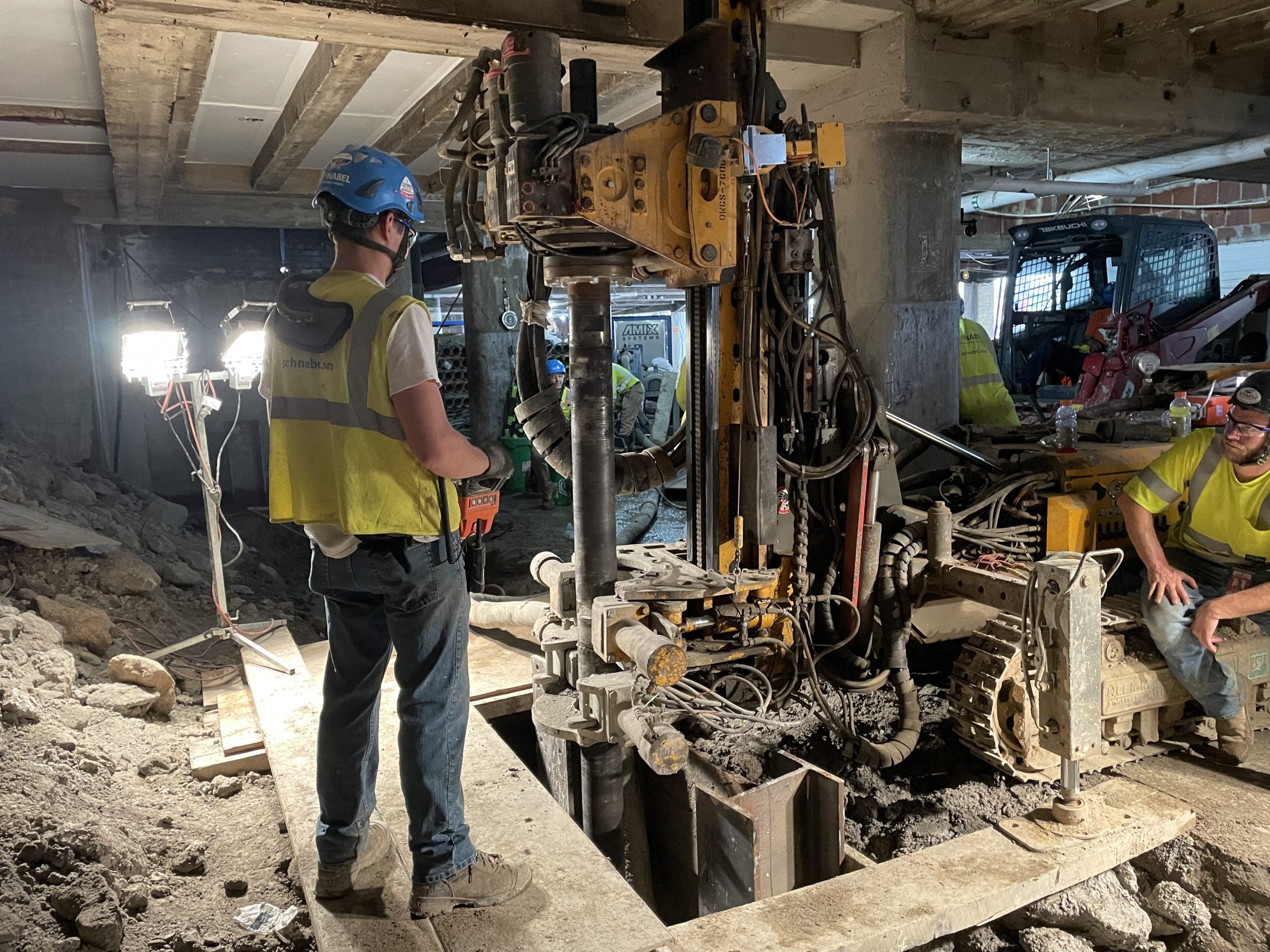
Soil cement mixing is a widely utilized technique in ground improvement projects, offering an effective solution for enhancing the strength and stability of weak or problematic soils. This method involves blending soil with a predetermined amount of cement and water, resulting in a composite material that exhibits improved load-bearing capacity, reduced permeability, and increased durability. The application of soil cement mixing has become increasingly popular due to its cost-effectiveness, environmental benefits, and adaptability to various site conditions.
The process begins with the selection of suitable soil types that can be stabilized effectively using cement. Typically, granular soils such as sands and silts are ideal candidates; however, clayey soils can also be treated with modifications in mix design. Once the appropriate soil is identified, it is excavated or loosened in situ before being mixed thoroughly with cement powder and water either by mechanical mixers mounted on construction equipment or through specialized mixing plants. This homogenization ensures uniform distribution of cement particles throughout the soil matrix.
One of the primary advantages of soil cement mixing lies in its ability to improve bearing capacity substantially. When untreated soils fail to support structural loads adequately-leading to settlement issues or instability-the addition of cement chemically binds particles together upon hydration. This reaction forms rigid bonds within the grout mixture ratio that enhance cohesion among grains while simultaneously reducing void spaces where water could accumulate. Consequently, structures built on treated grounds experience less differential settlement and greater long-term performance.
Moreover, soil-cement mixtures exhibit enhanced resistance against erosion caused by wind or water action due to their hardened nature after curing. This characteristic makes them particularly useful for slope stabilization projects along embankments or roadways prone to washouts during heavy rainfall events. Additionally, these mixtures act as effective vapor barriers when applied beneath pavements or slabs-on-grade foundations because they significantly decrease permeability compared with untreated soils.
In infrastructure development such as highways, airport runways, retaining walls foundations,and embankments construction; soil-cement mixing plays an essential role by providing consistent engineering properties across large areas at relatively low costs compared to alternatives like deep foundation systems or extensive excavation followed by replacement with engineered fill materials.
Environmental sustainability is another important factor driving adoption since utilizing existing onsite materials minimizes waste generation associated with transporting new fill materials from distant quarries while reducing carbon footprint linked with heavy machinery operation required for excavation works involving removal offsite unsuitable soils altogether.
Despite its many benefits there are limitations including sensitivity towards moisture content during preparation phase which must be carefully controlled otherwise strength gain might suffer leading poor overall performance if not executed properly according project specifications standards established beforehand ensuring quality assurance measures throughout entire process cycle starting from initial testing laboratory trials field implementation monitoring curing period till final evaluation confirming achievement desired design parameters without compromising safety reliability aspects critical infrastructure assets constructed above improved subgrade layers treated using this methodology .
In conclusion ,soil cement mixing remains one of most versatile economical techniques available today addressing challenges posed by weak natural ground conditions encountered frequently during civil engineering construction activities worldwide . Its proven effectiveness combined practical ease application continues driving innovation research aiming optimize formulations tailor specific project requirements thereby expanding scope utilization future geotechnical endeavors contributing robust sustainable resilient infrastructure development globally .
About the Author